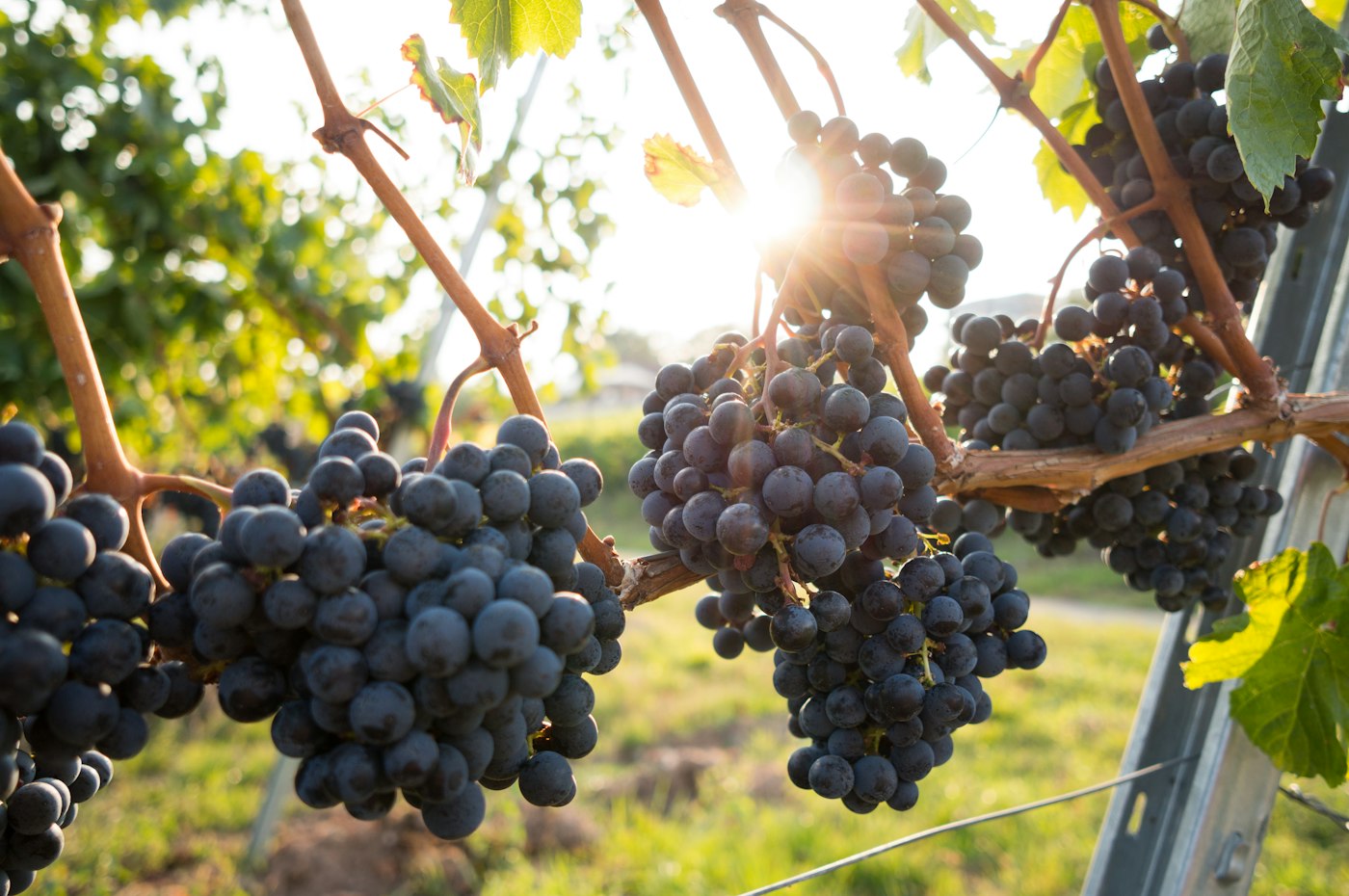
1. Ripeness Is a Balance
A table grape is ready to harvest when sugar, acidity and flavour are in balance, and when the bunch is firm and visually attractive. Sugar rises through the season while acidity falls, so the ratio between them is one of the main indicators growers use.
2. Common Signs of Ripeness
Colour change is one visible sign, but it varies by variety, so growers also taste the fruit and check its texture. Stem condition and seed colour can help confirm ripeness, because seeds darken as they mature. Sampling several vines across the block gives a more reliable picture than a single bunch.
Ripeness indicators for table grapes (qualitative)
| Indicator | What it shows | Limitation |
|---|---|---|
| Sugar level | How sweet the fruit is | Must be read alongside acidity |
| Acidity | How fresh and balanced the fruit tastes | Falls during ripening, so timing matters |
| Colour | Visible change for the variety | Varies between varieties |
| Seed colour | Maturity of the inner seeds | Needs several bunches to judge |
| Taste and texture | Overall eating quality | Subjective, so compare across samples |
3. Timing, Storage and Shipping
Harvesting too early gives sour fruit, while harvesting too late can increase the risk of softening and decay during storage and transport. Growers therefore plan harvest around the buyer's schedule and cool the fruit quickly after picking, because cold storage slows the loss of quality.
4. Keeping Fruit Clean
Good hygiene in the packing shed, careful handling and cold chain management help keep table grapes sound from vine to consumer. Quality checks at each stage catch problems early.